Episode 2
The Compound Interest Machine
The Machine That Ran While You Slept His name was Emmanuel. Born in Kumba, Cameroon. Lost both parents before he turned six. Raised by an aunt who sold firewood to pay school fees. At 24, he landed a job at a telecom company in Douala — nothing glamorous, but steady. His coworker, a man named Patrick, kept talking about "putting money to work." Emmanuel thought it sounded like rich-people language. He ignored it. Patrick put 15,000 CFA francs a month into a mutual fund. Emmanuel spent his on rent, food, and sending money home — which was necessary and honorable. But when both men were 50, Patrick retired with enough to build a house and support his family. Emmanuel was still working, still sending money home, still starting over. The difference wasn't income. It wasn't intelligence. It wasn't sacrifice. It was a machine Emmanuel didn't know existed — and therefore never turned on.
Try This First, Then We'll Explain It Before you read another word, do this: Open your phone calculator. Type 72 ÷ 8. Hit equals. You get 9. That means: if your money earns 8% per year, it doubles every 9 years. Now type 72 ÷ 6. You get 12. At 6% return, doubling takes 12 years. Hold that number in your mind. We're coming back to it.
The Four Parts of the Machine
- Principal This is the seed. The money you put in first. $100. $500. $4,000. It doesn't need to be large. It needs to exist. A machine with no fuel doesn't run.
- Interest Rate (Return) This is how fast the machine spins. A savings account might give you 4–5%. A broad index fund has historically returned 7–10% annually over long periods. The difference between 5% and 9% doesn't sound dramatic — until you run it for 20 years. Then it's the difference between a bicycle and a car.
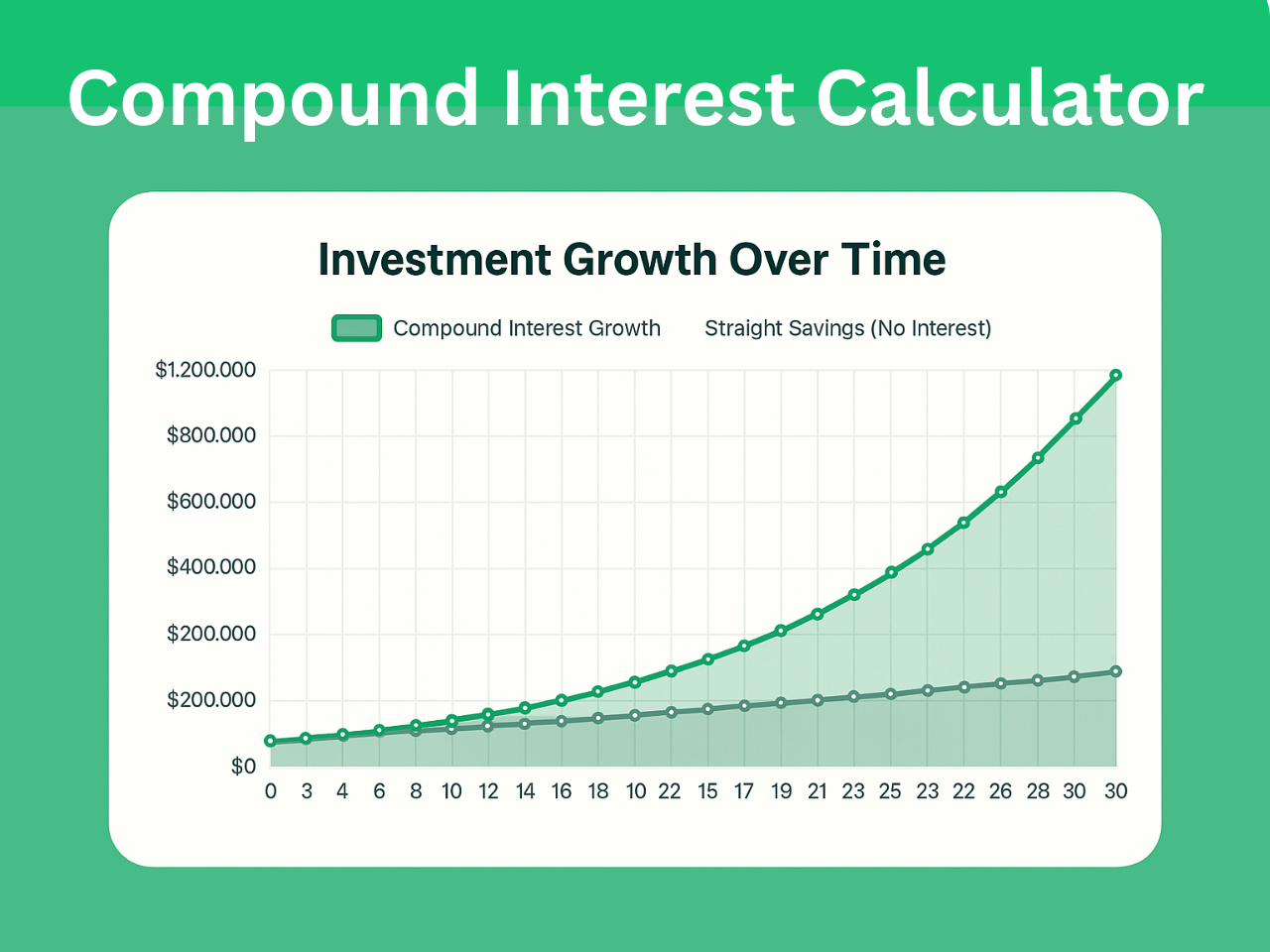
- Time Horizon This is the most brutal variable. Not because it punishes you — but because it doesn't negotiate. Every year the machine runs, it earns interest on the interest it already earned. That's compounding. The first few years look slow. The last few years look like a miracle. But you only get the miracle if you gave it the slow years first.
- The Rule of 72 That calculation you just did — that's it. Divide 72 by your annual return rate. The answer is how many years it takes your money to double. At 8%, your money doubles every 9 years. At 9%, every 8 years. It's a mental shortcut that lets you see the machine's speed at a glance.
The Two Cousins, Reframed Aisha invested $5,000 at age 22 and never touched it. No additional contributions. Just let it sit at 8%. By 62, she had approximately $217,000 from a single $5,000 deposit. Her cousin James waited until 32 to start — but contributed $5,000 every single year for 30 years. He put in $150,000 total. He ended with $566,000. James won — but he had to work 30 times harder to compensate for starting 10 years late. He contributed every year for three decades just to beat someone who contributed once and walked away. The machine doesn't care about your reasons. It doesn't care about your surgery, your student loans, your breakup, or your immigration timeline. It just runs — or it doesn't.